
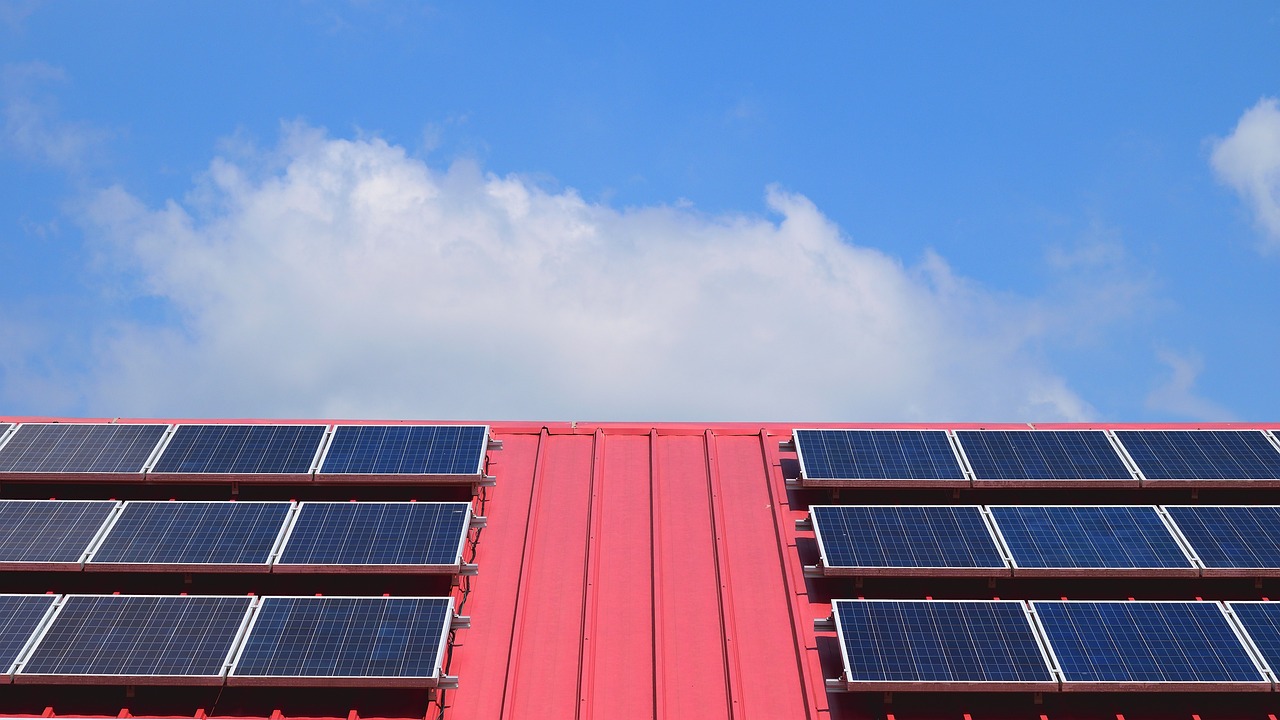
How to Choose the Right Solar Panel for Your Home
Choosing the right solar panel for your home is a crucial step in maximizing energy efficiency and reducing electricity costs. With so many options available, it can be overwhelming to know where to start. Factors such as panel type, energy output, and budget all play a role in making the best decision for your household.
This guide will help you navigate the key considerations and features to look for, ensuring you choose a solar panel system that meets your energy needs and long-term goals. Keep on reading!
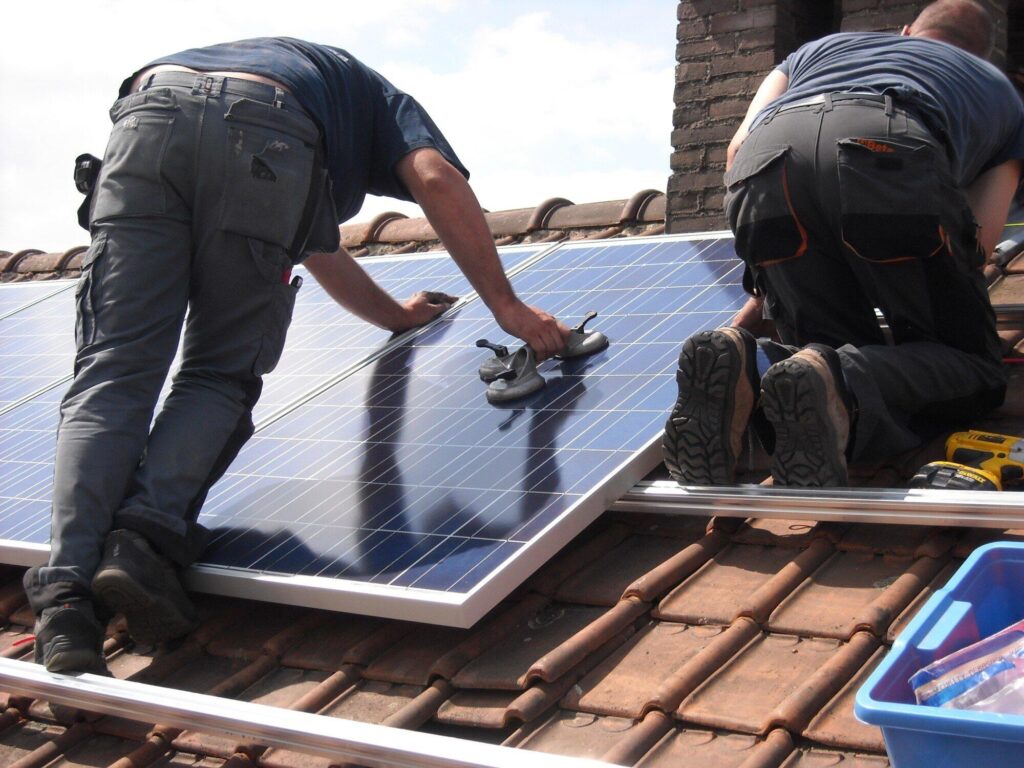
Understand Your Energy Needs
First, you need to know how much electricity you use. Check your utility bills for the past year. Look at the average amount of energy you consume each month. This will help you decide how many solar panels you need.
Types of Solar Panels
Solar panels are a great way to harness energy from the sun. They help reduce electricity bills and are good for the environment. But not all solar panels are the same. Let’s explore the different types of solar panels available today.
Monocrystalline Solar Panels
Monocrystalline solar panels are made from a single crystal structure. This type of panel is very efficient. It can convert more sunlight into electricity than other types. Monocrystalline panels have a distinct look. They are usually black and have rounded edges.
These panels are also durable. They last longer than other types of solar panels. However, they can be expensive. The production process is complex, which makes the panels cost more. But their efficiency and lifespan can make them a worthwhile investment.
Polycrystalline Solar Panels
Polycrystalline solar panels are different. They are made from many small silicon crystals. This makes the production process simpler and cheaper. These panels are usually blue and have a speckled look.
Polycrystalline panels are less efficient than monocrystalline panels. They convert less sunlight into electricity. But they are still a good option if you have plenty of space and want to save on initial costs. They are also easier to produce, which makes them more affordable.
Thin-Film Solar Panels
Thin-film solar panels are unique. They are made by placing thin layers of photovoltaic material on a surface. This makes them lightweight and flexible. They can be used in many applications where traditional panels are not suitable.
One advantage of thin-film panels is their appearance. They can blend easily with surfaces like roofs and walls. However, they are less efficient than both monocrystalline and polycrystalline panels. They require more space to produce the same amount of electricity. But they are cheaper to produce and install.
Bifacial Solar Panels
Bifacial solar panels can capture sunlight from both sides. This makes them more efficient. They can generate more electricity from the same amount of sunlight. These panels are usually made from monocrystalline or polycrystalline cells.
The main benefit of bifacial panels is their increased energy output. They can produce up to 30% more electricity compared to traditional panels. However, they need to be installed in specific ways to maximize their efficiency. For example, they work well on open ground or reflective surfaces.
Concentrated PV Cell (CPV) Panels
Concentrated PV cell panels use lenses or mirrors to focus sunlight onto small, high-efficiency cells. This technology increases the amount of sunlight that hits the cells. It makes the panels very efficient. They can convert more sunlight into electricity than any other type.
CPV panels need direct sunlight to work well. They are best suited for areas with a lot of sunshine. They also require tracking systems to keep them aligned with the sun. This makes them more complex and expensive to install. But their high efficiency can make them a good option for large-scale solar projects.
Flexible Solar Panels
Flexible solar panels are made from thin, bendable materials. This makes them lightweight and easy to install in many places. They can be rolled up and used on surfaces that are not flat.
These panels are less efficient than rigid panels. They convert less sunlight into electricity. But they are very versatile. You can use them on boats, RVs, and curved surfaces. They are also portable, which makes them great for off-grid applications.
Consider the Cost
Solar panels are an investment. Their price depends on the type and number of panels you need. Monocrystalline panels are the most expensive but also the most efficient. Polycrystalline panels are cheaper but need more space. Thin-film panels are the cheapest but least efficient.
Check the Efficiency
Efficiency tells you how well a solar panel can convert sunlight into electricity. Higher efficiency means more power and less space needed. Monocrystalline panels are the most efficient, followed by polycrystalline, and then thin-film. These can affect your solar savings.
Look at the Durability
You want solar panels that will last a long time. Most panels come with a warranty of 25 years. Check the warranty details to ensure you are covered for a long time. Monocrystalline and polycrystalline panels usually have longer lifespans than thin-film panels.
Roof Space and Position
The amount of roof space you have is important. Monocrystalline panels are good if you have limited space because they are more efficient. Polycrystalline panels need more space. Thin-film panels are flexible and can fit into different shapes and spaces.
The position of your roof also matters. South-facing roofs get the most sunlight. East or west-facing roofs can still work but may be less efficient.
Check Local Regulations and Incentives
Before you buy, check local regulations. Some areas have rules about where and how you can install solar panels. Also, look for incentives. Many places offer tax credits or rebates for installing solar panels. These can help reduce your costs.
Choose a Reputable Installer
A good installer is key to getting the most out of your solar panels. Look for certified installers with good reviews. Ask for quotes from several installers to compare prices and services. If you’re looking for some references, check this out.
Exploring the Right Solar Panel
Choosing the right solar panel for your home doesn’t have to be complicated. Understand your energy needs, consider the types of panels, check the cost and efficiency, and look at the durability. Make sure you have enough roof space and check local regulations. Finally, choose a reputable installer. Follow these steps and you’ll be on your way to a greener, more cost-effective home.
For more topics aside from renewable energy sources, visit our blog!


