

Explore Net Worth of Iconic TV Advertising Characters
TV advertising characters have grown beyond just selling products. They now symbolize billion-dollar empires. From cereal spokespeople to insurance mascots, their net worth is truly astonishing.
Brand character wealth isn’t just in fantasy. Real mascots like Tony the Tiger and the Geico Gecko have fortunes that match animated ones. Some mascots even have more wealth than famous celebrities.
Research by UPrinting.com shows incredible numbers. Pikachu and Pokémon friends are worth $76.4 billion together. Mickey Mouse and pals are valued at $52.2 billion. Star Wars characters also hold a $51.8 billion brand value.
These figures show the huge financial effect of advertising icons. Their reach goes beyond TV, making money from merchandise, licensing, and brand awareness. The net worth of these characters shows their lasting appeal and cultural importance.
Key Takeaways
- TV advertising characters can be worth billions
- Pokémon characters top the list at $76.4 billion
- Mickey Mouse and friends are valued at $52.2 billion
- Star Wars characters have a $51.8 billion brand value
- Mascots generate revenue through multiple channels
- Brand character wealth reflects cultural impact
Introduction to Iconic TV Advertising Characters
TV advertising characters have become a big part of American culture since TV started. These famous mascots have grown from simple product ads to complex characters loved by many. They influence how we buy things and are key in marketing.
The Role of Advertising in American Culture
Advertising has shaped American consumer culture a lot. TV ads with iconic characters are like entertainment. For example, Flo from Progressive Insurance has been in over 1,000 ads since 2008. She’s become a big deal, with Halloween costumes and even a video game character.

Evolution of TV Advertising Characters
The world of TV ads has changed a lot. Characters used to be just simple mascots. Now, they’re complex figures that show society’s changes and what people want. This change is seen in TV shows, moving from “Difficult Men dramas” to “Complicated Women Sagas” in the last 20 years.
The value of these characters has also grown. While exact figures are hard to find, their impact on brands is clear. Flo’s 100th ad in 2014 and the Geico Gecko’s lasting fame show how valuable they are to their companies.
| Character | Year Introduced | Notable Achievement |
|---|---|---|
| Flo (Progressive) | 2008 | Over 1,000 advertisements |
| Geico Gecko | 1999 | Increased brand recognition |
| Tony the Tiger | 1952 | Decades-long brand association |
The All-Time Favorites in Advertising
Advertising characters have become key to brand identity. They grab our attention and boost sales. Let’s look at some iconic figures in advertising and why they stick with us.
Introducing the Most Recognizable Characters
Some characters, like Tony the Tiger and the Geico Gecko, are well-known. Ronald McDonald is another example. These characters not only represent their brands but also make a lot of money through sales and licensing.

Factors That Contribute to Their Popularity
Several things make these characters so loved:
- Memorable catchphrases
- Distinct visual designs
- Relatable personalities
- Consistency across campaigns
These elements help create characters that connect with people. They become cultural icons, going beyond their marketing role.
| Character | Brand | YouTube Views | Notable Achievement |
|---|---|---|---|
| M&M’s Characters | M&M’s | 1.4+ million | Aired annually for over 25 years |
| Snickers Guy | Snickers | 3.3+ million | “Get Some Nuts” campaign |
| Old Spice Man | Old Spice | 33,873 | “Get Shaved in the Head” campaign |
The success of these characters shows that good mascots can really help a brand. As advertising changes, these beloved figures keep winning our hearts.
The Net Worth of Tony the Tiger
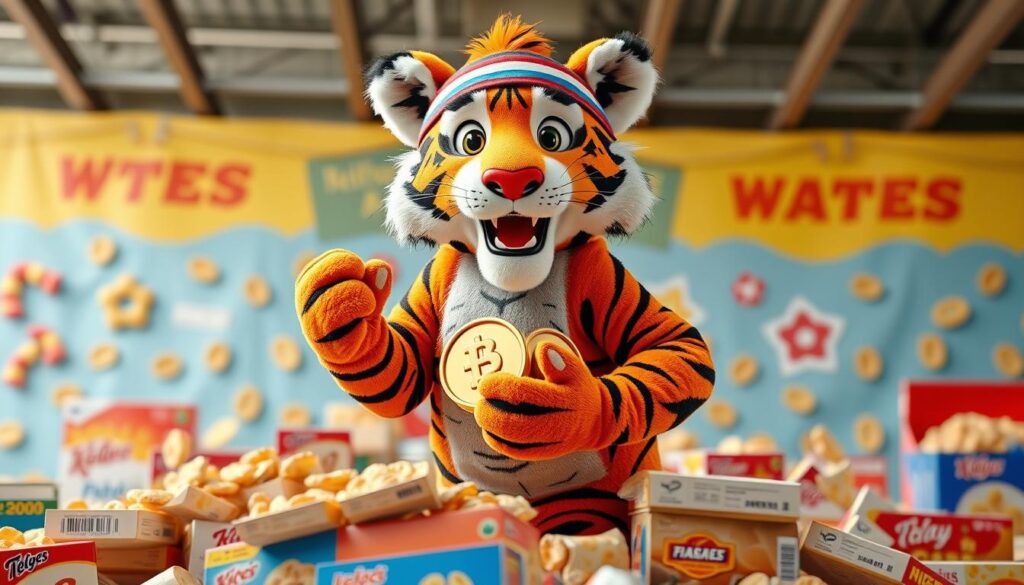
Tony the Tiger has been a favorite in American homes since 1952. His exact net worth is not known, but his impact on Kellogg’s Frosted Flakes is huge.
Brand Association with Frosted Flakes
Tony has been with Frosted Flakes for 70 years. His catchy phrase and design have made the brand well-known. Studies show mascots like Tony can increase trust and connection by a lot.
Merchandise and Licensing Revenue
Tony’s fame goes beyond breakfast. He’s on many products, adding to his net worth. In 2022, he even became a VTuber, reaching Twitch’s millions of daily visitors.
| Year | Milestone | Impact |
|---|---|---|
| 1952 | Tony’s First Appearance | Launch of a cereal icon |
| 1974 | “Tiger of the Year” | Advertising theme boost |
| 2019 | Sun Bowl Sponsorship | Sports marketing expansion |
| 2022 | VTuber Debut | Digital engagement growth |
Kellogg’s made $14.2 billion in 2021. Tony’s influence is still strong in the world of brand characters.
How Much Is Fred Flintstone Worth?
Fred Flintstone, from “The Flintstones,” is a famous TV character. He went from a sitcom star to a big name in advertising. This shows how valuable TV characters can be.

A Look at Flintstones’ Merchandise
The Flintstones’ products have made Fred very valuable. You can find his face on toys, clothes, and more. His famous “Yabba-Dabba-Doo!” even inspired a drink called “Yabba Dabba Dew.”
Video games with Fred have also been hits. This has helped him reach more people and increase his value.
Collaborations and Brand Endorsements
Fred has been a big name in advertising. He’s been on Fruity Pebbles cereal for years, making him a breakfast icon. This partnership has greatly increased his worth.
He’s also been in many commercials and ads. This has helped him promote products in different fields.
It’s hard to say exactly how much Fred Flintstone is worth. But, the creators of The Flintstones, William Hanna and Joseph Barbera, were worth $300 million. This shows the value of their work, including Fred.
| Creator | Net Worth | Emmy Awards |
|---|---|---|
| William Hanna & Joseph Barbera | $300 million | 8 |
| Matt Groening | $500 million | 12 |
Fred Flintstone’s lasting popularity and ability to be both an entertainment icon and an advertising mascot make him very valuable. He’s a big name in TV and marketing.
The Value of the Geico Gecko
The Geico Gecko has become a well-known advertising character since 1999. This small lizard has been key in Geico’s marketing. It has helped the company grow and become more recognized.
The Success of Geico’s Campaigns
Geico’s ads with the Gecko have been a big hit. They’ve made Geico a big name in insurance. The insurance industry is huge, with personal lines making up half of it.

Jake Wood, the Gecko’s original voice, is worth $3 million as of 2021. This shows how much value iconic mascots bring to a brand. It’s clear how much impact they have on recognition.
The Gecko’s Impact on Brand Recognition
The Geico Gecko is a big part of Geico’s brand. It has helped the company grow and get more customers. Even with less spending in 2022, Geico is still well-known in the US.
The Gecko’s success shows the strength of good advertising characters. As a top brand ambassador, the Gecko adds a lot of value to Geico. It’s a key part of Geico’s worth in the advertising world.
The Financial Power of Ronald McDonald
Ronald McDonald is a giant in TV advertising. Since 1963, he has been a key part of McDonald’s brand. He is one of the highest paid fictional characters, making a big impact.
Ronald’s Role in McDonald’s Branding
Ronald McDonald has shaped McDonald’s image worldwide. His friendly face attracts kids and families, fitting McDonald’s target market. This has made McDonald’s the biggest fast-food chain, with 38,695 outlets in 120 countries.
Revenue from Merchandise and Global Reach
Ronald McDonald’s impact goes beyond TV ads. His merchandise brings in a lot of money. His global fame is seen in McDonald’s brand value of 143.8 billion U.S. dollars in 2020, ranking seventh in the U.S.
| Category | Data |
|---|---|
| Global Outlets | 38,695 |
| Countries Present | 120 |
| Brand Value (2020) | $143.8 billion |
| U.S. Brand Ranking | 7th |
Ronald McDonald does more than make money. He leads the Ronald McDonald House Charities, boosting McDonald’s image and helping others. His work makes him a key figure in TV advertising.
The Budget of M&M’s Mascots
M&M’s colorful characters have become famous advertising mascots. They have greatly added to the brand’s wealth. These TV characters have been key in Mars, Incorporated’s marketing for years.
Meet the M&M’s Gang
The M&M’s team has six unique personalities:
- Red: The confident leader
- Yellow: The lovable, simple-minded one
- Blue: The cool, smooth talker
- Green: The flirtatious, sassy character
- Orange: The anxious, paranoid one
- Brown: The intelligent, sophisticated member
Driving Sales Through Character Appeal
These famous mascots have greatly boosted M&M’s sales and brand recognition. By creating relatable personalities, M&M’s has built a strong emotional bond with consumers. This approach has been very effective, as studies show it influences kids’ eating habits and builds brand loyalty.
The M&M’s characters’ success fits with broader trends in food marketing. In 2008, the Federal Trade Commission reported that food, beverage, and restaurant companies spent $2.1 billion on marketing for kids and teens in 2006. This investment in character-driven ads has paid off for M&M’s, making them valuable TV characters in the candy industry.
The Wealth of Puff the Magic Dragon
Puff the Magic Dragon, a beloved character from a song, has become a big name in advertising. His journey from a musical icon to a marketing superstar shows how valuable commercial icons can be. Puff’s charm has led to many advertising opportunities, keeping him popular and financially strong.
Legacy of the Character in Advertising
Puff’s move from song to screen was magical. He has become a cultural icon through various media. His friendly and whimsical nature makes him a favorite in ads, attracting both kids and adults.
This wide appeal has greatly increased Puff’s value in advertising. He is now a top choice for brands looking for a mascot.
Value in Collectibles and Nostalgia
Puff’s true wealth comes from his nostalgic charm. Collectibles of this dragon are highly sought after by fans of all ages. Items like vintage toys and limited edition prints can sell for a lot.
This nostalgic value keeps Puff relevant and valuable in advertising and merchandising.
“Puff the Magic Dragon represents more than just a character; he’s a bridge between generations, connecting childhood memories with present-day marketing strategies.”
Puff’s lasting popularity shows how characters from media can become valuable in advertising. His ability to stay relevant through collectibles and nostalgia proves the long-term value of well-made commercial icons.
Understanding the Brand Influence of the Pillsbury Doughboy
The Pillsbury Doughboy, also known as Poppin’ Fresh, is a top mascot in advertising history. He was created in 1965 and has greatly increased Pillsbury’s wealth and fame.
How the Doughboy Became an Icon
The Doughboy’s rise to fame started on March 18, 1965. Pillsbury spent $16,000 to make him. They made him with five bodies and 15 heads for different ads.
In just three years, 87% of people knew the Doughboy. Pillsbury got 1,500 autograph requests and 200 fan letters a week. This shows how much people loved him.
The Revenue Stream Through Product Sales
The Doughboy has helped Pillsbury a lot. He has been in over 600 ads for 50 products. He has helped Pillsbury reach over 100 countries.
His first ad for Crescent Rolls in 1965 really helped Pillsbury. The brand uses social media a lot to talk to customers and create new products. They have a lot of followers and likes:
| Platform | Followers/Likes |
|---|---|
| 3,278,043 likes | |
| 132,000 followers | |
| 31,700 followers | |
| 188,500 followers | |
| YouTube | 25,784 subscribers |
The Doughboy’s lasting popularity has made him very valuable. He has helped Pillsbury a lot, making him one of the most valuable mascots in history.
The Financials Behind the Energizer Bunny
The Energizer Bunny, a pink mechanical rabbit introduced in 1989, is a famous advertising mascot. It has greatly helped Energizer Holdings grow. The company now makes $2 billion a year from batteries.
The Evolution of the Character
The Energizer Bunny has grown from a simple idea to a big part of pop culture. Energizer spends about $45 million a year on ads featuring the bunny. The character appeals to many people:
- 53% females aged 25-34
- 65% in committed relationships
- 67% college-educated
- 67% with incomes between $40K and $70K annually
Earnings from Campaigns and Merchandise
The Energizer Bunny makes money in many ways. It’s one of the top-paid fictional characters. By 2022, Energizer wants to make over $700 million in adjusted EBITDA and over $400 million in adjusted free cash flow.
The bunny also sells a lot of merchandise. But, we don’t know exactly how much. People love the bunny on different media, like websites and TV.
The Energizer Bunny’s success shows how a good mascot can help a brand grow. It has been a key part of Energizer’s success for years.
The Economic Impact of the Aflac Duck
The Aflac Duck is a top TV character in advertising history. Since 1999, it has greatly boosted Aflac’s brand and success. It has become a key part of the company’s image.
Importance of Humor in Advertising
The Aflac Duck uses humor well. It ranked 6th in a contest of insurance mascots. This shows its strong appeal.
This approach has made Aflac a big spender in college football ads. It proves the duck’s marketing power.
Aflac’s Market Success Linked to the Duck
The duck has greatly helped Aflac’s success. For 24 years, it has been in the company’s ads. Its long time in ads shows its effectiveness.
| Metric | Value |
|---|---|
| Years in Advertising | 24 |
| Madison Avenue Walk of Fame Induction | 2004 |
| College Football Ad Spend Ranking | Top 20 |
| High-Profile Coach Partnerships | 2 (Nick Saban, Deion Sanders) |
The duck’s success goes beyond ads. It has worked with entertainment brands and made unique ads. These efforts have boosted its value and made it a top mascot career.
Conclusion: The Enduring Legacy and Value
As we finish our look at the net worth of iconic TV advertising characters, it’s clear they are very valuable. Characters like Tony the Tiger and the Aflac Duck are not just mascots. They are worth millions, if not billions, as advertising assets.
Summary of Net Worth Insights
The richest fictional brand ambassadors have made a lot of money for their companies. The Geico Gecko, for example, has made Geico well-known. Ronald McDonald has also helped McDonald’s a lot, showing how a good character can boost a brand.
Future of Advertising Icons in the Digital Age
The future for advertising icons is changing. With streaming and social media, they need to adapt. Just like Kim Kardashian, they can use their fame to make money in new ways. They must stay charming and relevant while using new technologies.
In conclusion, the net worth of iconic TV advertising characters shows their lasting appeal. As brands try to stand out, these mascots will keep winning hearts and wallets.


