
The Ultimate Guide to Novice Photography: Tips and Tricks for Beginners
Are you ready to explore the world of novice photography? With just a camera and a little practice, you can start capturing beautiful images. Whether you’re curious about how it works or want to improve your skills, there’s so much to learn.
Novice photography can be both fun and rewarding. You don’t need to be an expert to take stunning photos. Start with the basics, and watch your skills grow as you discover new techniques.
This article will explore some photography tips and tricks for beginners.
Mastering Your Camera Settings for the Perfect Shot
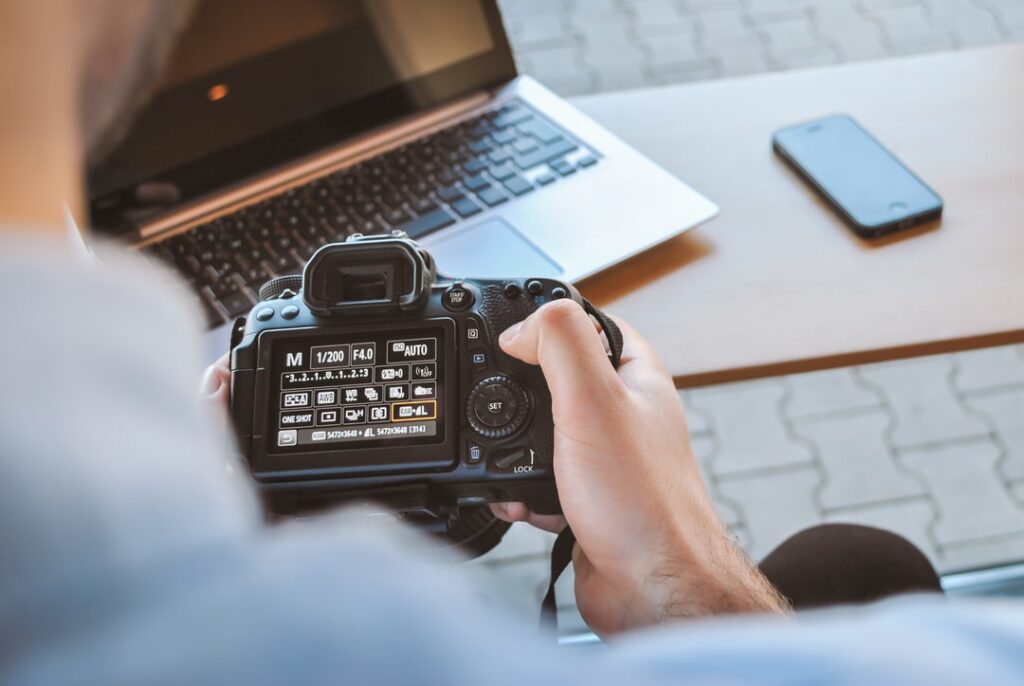
Learning your camera settings is key to good novice photography. A camera settings guide helps you understand how to adjust settings for each shot. This knowledge makes a big difference in the quality of your photos.
Start with the three basic settings: aperture, shutter speed, and ISO. These settings work together to control how light enters your camera. Mastering them is essential for taking clear and beautiful pictures.
Practice adjusting settings based on the light and scene. Experiment with different combinations to see how they affect your photos. The more you practice, the better your beginner photography skills will become.
Understanding the Exposure Triangle: Aperture, Shutter Speed, and ISO
The exposure triangle is vital for novice photography. Each part affects how light and detail appear in your shots. Knowing how to balance them can greatly improve your images.
The aperture controls the depth of field. A wide aperture blurs backgrounds, while a narrow one keeps more in focus. This choice can change the mood of your photos.
Shutter speed manages how long your camera lets light in. A fast speed freezes action, while a slow speed can create blur. Understanding these two elements enhances your photography lighting tips.
The Rule of Thirds: A Simple Way to Frame Your Photos
The rule of thirds is an easy composition technique for novice photographers. Imagine dividing your photo into a grid of nine equal parts. Place important subjects along these lines or at their intersections for better balance.
This technique helps your photos feel more dynamic. It guides the viewer’s eye and creates interest. Try using this rule when you frame your shots.
Practice this rule often to strengthen your composition techniques. As you get comfortable, you can experiment with breaking it up for a creative effect. Mastering this concept is key to engaging images.
Lighting Techniques to Enhance Your Photography
Good lighting makes a huge difference in your photos. Natural light is often the best option for novice photography. It can enhance colors and textures beautifully.
Be mindful of the time of day when shooting outside. Early mornings and late afternoons often provide the best light. This is when the sun is softer, creating warmer tones in your photos.
Don’t be afraid to learn photography lighting tips for indoor settings too. Use lamps or direct your flash carefully. The right light can transform a dull picture into a standout shot.
How to Focus on Your Subject: Sharpening Your Skills
Focusing on your subject is essential for captivating photography. Use your camera’s autofocus feature for best results. This helps to avoid blurry images, especially with moving subjects.
Try experimenting with manual focus. It can give you more control and let you select the exact point to focus on. Sharpening your skills in this area will enhance your photos significantly.
Keep your composition in mind while focusing. A well-framed shot combined with a clear subject creates a strong image. Make sure your main subject stands out for your audience to notice.
Choosing the Right Lens for Different Photography Styles
Different photography styles require different lenses. Each lens has unique features that impact your images. Knowing about them helps you choose the right one for your needs.
For portraits, a prime lens with a wide aperture is ideal. It produces a soft background and emphasizes your subject. For landscapes, a wide-angle lens captures more of the scene.
Investing in the right lens can elevate your novice photography. Think about what kind of image you want to create. Research lenses that suit your photography style best.
The Importance of Composition in Photography
Composition is crucial in creating stunning images. It determines how all elements in a photo relate to each other. Understanding balance in photography can improve your overall shots.
Experiment with different angles and perspectives. This adds variety to your photography and helps you find unique views. With practice, your compositions will become more effective.
Stay aware of the background to avoid distractions. A clean background helps your subject stand out. Good composition leads to more impactful photos.
Tips for Capturing Motion and Action Shots
Capturing action shots can be exciting. Use a fast shutter speed to freeze movement. This technique helps you get clear pictures of fast events, like sports.
To add motion feeling, try using slower shutter speeds creatively. This allows for some blur, giving a sense of speed. Experiment with both methods to see which you prefer.
Practice is key when capturing motion. The more you shoot, the better you’ll become at timing your shutter. Mastering this skill will take your photographs to the next level.
How to Use Natural Light to Your Advantage
Natural light can elevate your photography. Try to shoot during the golden hour for the best effect. This short window provides a soft, warm light perfect for photos.
Avoid the harsh midday sun, which can create hard shadows. Instead, find shaded areas or use diffusers. These techniques help your photos stay soft and inviting.
Learning how to use natural light takes practice. Observe how the light changes throughout the day. This awareness will enhance your photography skills greatly.
The Final Snapshot: Embracing Your Growth in Novice Photography
As you begin your adventure into novice photography, remember that learning is a gradual process. Keep experimenting with different techniques and settings to improve your skills. The more you practice, the more you’ll see your photography evolve.
With time and dedication, you’ll start capturing stunning images that showcase your unique perspective. Stay curious and keep challenging yourself to explore new styles and compositions. Novice photography can be a fun and fulfilling way to express your creativity.
Did this article help you? Browse our blog for more interesting topics.


