
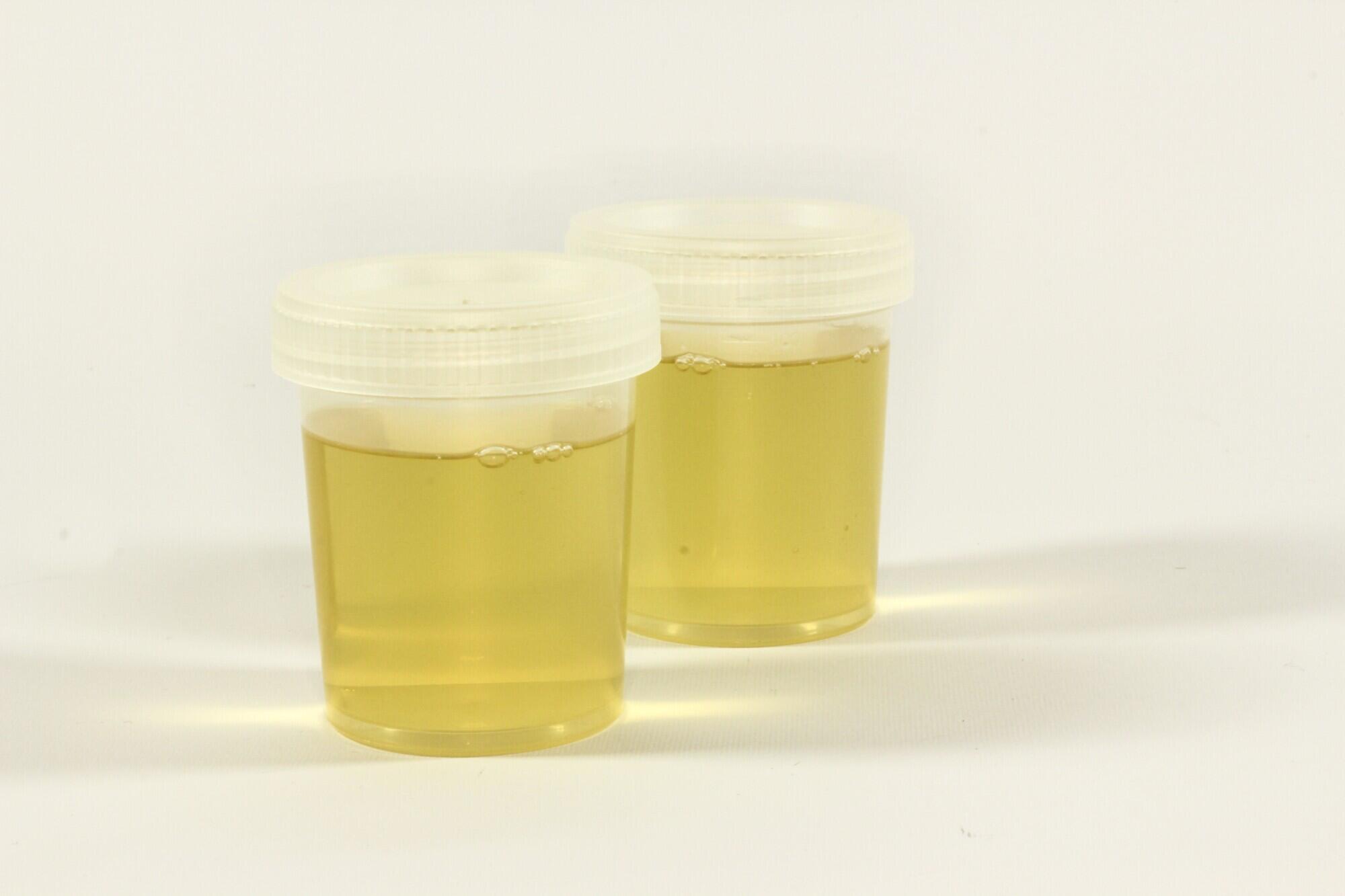
Understanding Meth Testing: How Long Does Meth Stay in Urine?
Methamphetamine, often called meth, is a strong and addictive substance. It can significantly impact the central nervous system. Understanding the effects of meth is crucial, especially for those who may be facing drug testing. It’s essential to know how long meth can linger in the body, particularly in urine.
This can have serious implications for various aspects of life, including employment and health. Here are some important points to help you grasp how long does meth stay in urine.

General Detection Window
Meth can normally be detected in urine for approximately 1 to 4 days after use. However, this window can vary depending on several factors like the:
- user’s metabolism
- frequency of use
- dose consumed
In some cases, meth can be detected in urine for up to a week after use. It’s important to note that this detection window may not apply to all drug testing methods and may vary depending on the sensitivity of the test.
Effects of Metabolism
Everyone’s body is unique, and this uniqueness affects how our metabolism works. Metabolism is the process by which our bodies convert food and substances into energy. If someone has a faster metabolism, their body might process certain substances, like meth, more quickly. This quick processing can lead to a shorter detection period in drug tests.
On the other hand, if someone has a slower metabolism, it can take longer for their body to break down these substances, resulting in longer detection times.
Frequency and Amount of Use
People who use meth regularly or take larger doses might notice that the drug stays in their system for a longer time compared to those who use it only occasionally. This happens because when someone consumes meth more frequently or in higher amounts, their body requires additional time to process and get rid of the drug.
The more meth that is taken, the longer it takes for the body to clear it out. This can lead to a longer presence in the system. Overcoming addiction becomes increasingly challenging as the drug lingers in the body.
Hydration and Diet
Staying hydrated is important because it helps our bodies metabolize substances more efficiently. While drinking enough water won’t drastically change how long substances stay in our system, it’s still beneficial. When we drink plenty of water and eat a healthy diet, we support our bodily functions, including how our body detoxifies itself.
For those seeking help for addiction and depression, programs like Medicaid for addiction treatment can provide access to resources that help with hydration and nutrition, which are crucial for recovery.
Types of Tests
While urine tests are commonly used due to their cost-effectiveness and simplicity, other tests might be used, each with differing detection windows like:
- blood
- saliva
- hair follicle tests
Urine tests tend to be the most frequently employed for meth detection. However, they may not be as accurate or detect the drug for as long as other methods.
Explore the Meth Testing and Know How Long Does Meth Stay in Urine!
The detection window for meth in urine can vary depending on multiple factors. Understanding these factors can give a general idea of how long does meth stay in urine, but it cannot provide an exact timeline. If you’re seeking help with addiction or facing mandatory drug testing, it’s important to reach out to professionals who can guide you through this process and provide support along the way.
Remember that recovery is possible, and there are resources available to help you achieve a healthier life!
Did you find this article helpful? Check out the rest of our blogs!


