
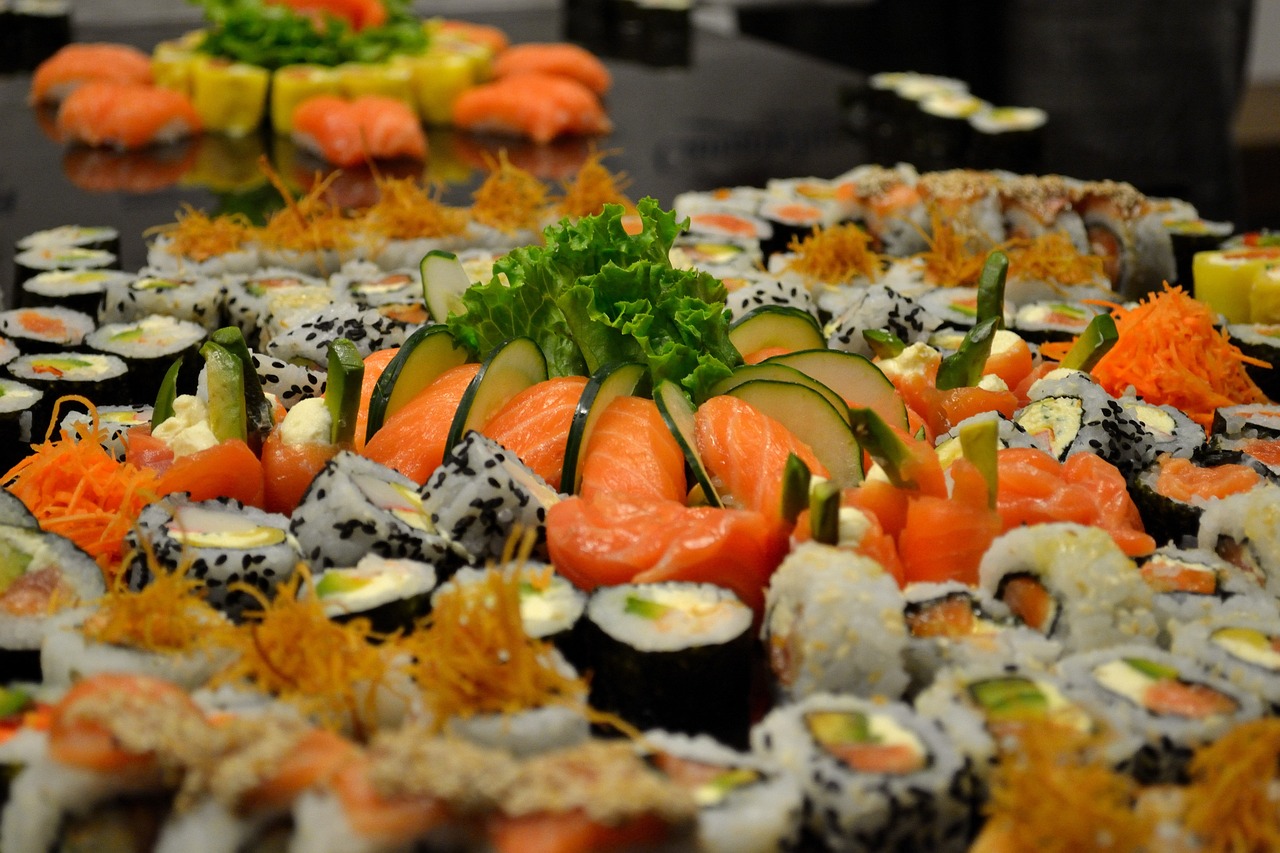
Sushi Rolls: 4 Expert Techniques for Perfect Flavor
Key Takeaways
- Quality ingredients are the foundation of exceptional sushi
- Technique and presentation elevate the sushi experience
- Mastering flavor balance creates memorable rolls
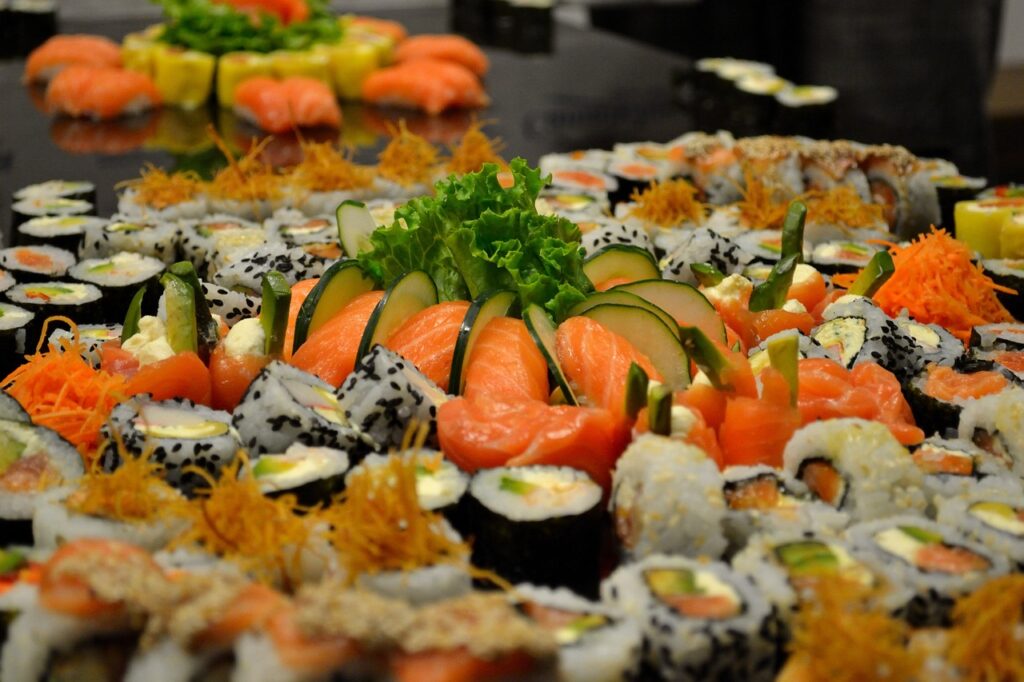
The Art of Sushi: More Than Just a Meal
Sushi is a culinary art form that combines precision, creativity, and respect for ingredients. Beyond being a simple dish, it’s a cultural experience that requires skill, passion, and attention to detail.
This is the premise of the guide to making different types of sushi rolls. By combining various ingredients, such as fresh seafood, crunchy vegetables, and creamy sauce, a harmonious blend of flavors can be achieved. But it doesn’t just stop there.
Textures also play a crucial role in creating a drool-worthy sushi experience. From the soft and chewy texture of rice to the crispiness of tempura, each element adds a unique dimension to the taste. So, if you want to elevate your sushi game, be sure to check out this sushi recipe now and perfect the art of balancing flavors and textures.
Sushi by the Numbers
- Global sushi market value: $22.2 billion in 2023
- Average sushi restaurant revenue: $750,000 annually
- Over 4,000 sushi restaurants in the United States
4 Expert Techniques for Crafting Exceptional Sushi Rolls
1. Selecting Premium Ingredients
Ingredient Quality Criteria:
- Absolutely fresh seafood
- Highest-grade sushi rice
- Crisp, seasonal vegetables
- Premium nori (seaweed)
Ingredient Sourcing:
- Local fish markets
- Japanese specialty grocers
- Certified seafood suppliers
Resources for Quality Ingredients:
2. Mastering Rolling Techniques
Essential Rolling Skills:
- Proper rice spreading
- Consistent rolling pressure
- Precise knife techniques
- Uniform roll size
Rolling Tools and Equipment:
- High-quality bamboo rolling mats
- Sharp sushi knives
- Professional cutting boards
- Rice spreaders
Technique Learning Resources:
3. Balancing Flavors and Textures
Flavor Harmony Principles:
- Complementary ingredient pairings
- Contrasting texture combinations
- Umami flavor enhancement
- Subtle seasoning techniques
Flavor Balancing Components:
- Fresh seafood
- Crisp vegetables
- Creamy sauces
- Crunchy tempura elements
Flavor Pairing Resources:
4. Elevating Presentation
Presentation Techniques:
- Precise cutting
- Artistic plating
- Color coordination
- Garnish selection
Presentation Elements:
- Symmetrical roll design
- Vibrant ingredient colors
- Thoughtful garnish placement
- Plate composition
Presentation Resources:
Internal Link Placeholders
[Link to: Japanese Cuisine Exploration] [Link to: Global Culinary Techniques]
Recommended External Resources
FAQ: Sushi Roll Mastery
Q: How do I know if fish is sushi-grade? A: Look for fish labeled “sushi-grade” from reputable suppliers, frozen at very low temperatures to kill potential parasites.
Q: Can I make sushi at home? A: Yes, with practice, quality ingredients, and proper techniques, home sushi can be excellent.
Q: What’s the most important tool for making sushi? A: A sharp knife and a bamboo rolling mat are essential for quality sushi preparation.
Q: How long can I keep sushi? A: Fresh sushi should be consumed immediately and not stored for more than 24 hours under refrigeration.
Q: What’s the difference between sushi and sashimi? A: Sushi includes rice, while sashimi is simply raw fish without rice.
Conclusion
Crafting exceptional sushi rolls is an art that combines fresh ingredients, precise techniques, balanced flavors, and beautiful presentation. By mastering these four key elements, you can transform simple ingredients into a culinary masterpiece that delights both the palate and the eyes.


