

Timeshare vs Fractional Ownership: Which to Choose?
Want a vacation home but can’t afford the whole thing? Timeshares and fractional ownership are great options. They let you enjoy a piece of paradise without spending too much. The timeshare industry has grown to a $10.2 billion value.
Fractional ownership means 4 to 10 people share a luxury property. You get 2 to 12 weeks a year, in top resorts. Timeshares, however, have more owners and shorter stays, usually a week or two.
Timeshares were popular in the 1990s but now face competition from Airbnb. By 2019, Airbnb was hosting about 2 million guests nightly. This change has made timeshares less appealing to nearly 70% of people, according to a 2018 study.
Key Takeaways
- Timeshares and fractional ownership offer different levels of property access and ownership.
- Fractional ownership can provide access to luxury properties at a fraction of full ownership costs.
- Timeshares typically offer shorter stays and involve more owners per property.
- The rise of home-sharing platforms has impacted the appeal of traditional timeshares.
- Fractional ownership may offer potential for capital appreciation, unlike most timeshares.
What is a Timeshare?
Timeshares are a special way to own vacation property. They let many people share the right to use a property for a set time each year.
Definition of a Timeshare
A timeshare is a vacation spot shared by many owners. Each owner gets to use it for a week every year. Usually, there are up to 52 owners per unit, with some having 26. Owners often visit their property once a year for a week.
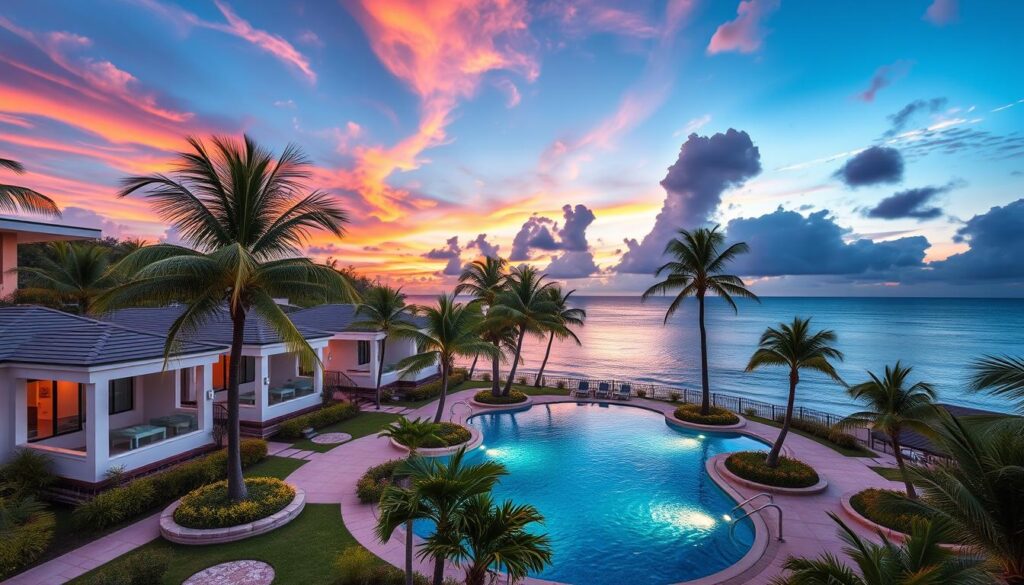
Types of Timeshares
There are different kinds of timeshares:
- Fixed-week: Use the same week each year
- Floating-week: Choose from available weeks
- Points-based: Exchange points for stays at different properties
Pros and Cons of Timeshares
Timeshares offer a guaranteed vacation spot and can save money. But, they also have downsides:
- Pro: Predictable vacation scheduling
- Con: Limited flexibility in dates and locations
- Pro: Access to resort amenities
- Con: Ongoing maintenance fees
- Pro: Potential for exchange programs
- Con: Depreciation in value over time
It’s important to know these points when looking at timeshare resales or purchases. Timeshares can be a good deal for vacations, but think about the long-term costs and your travel likes.
What is Fractional Ownership?
Fractional ownership is a new way to invest in vacation properties. It lets many buyers share one property. Usually, there are 6-12 owners for each unit.
Definition of Fractional Ownership
Fractional ownership means buying a share of a valuable property. It’s different from timeshares because owners have a deed, not just rights to use. This makes fractional ownership more valuable.
How Fractional Ownership Works
Each owner gets to use the property for a long time, like 5 weeks or more a year. The share sizes vary, from 1/4th to 1/13th, with 1/4 being the most common. This setup means owners can visit more often and stay longer than with timeshares.
Pros and Cons of Fractional Ownership
Fractional ownership has many benefits:
- Potential for property value to increase
- Accommodations are often bigger, with 3-5 bedrooms
- More time and longer stays are possible
But, there are also downsides:
- It costs more to start
- There are ongoing fees and taxes
- It might be hard to find a spot during busy times
| Feature | Fractional Ownership | Timeshare |
|---|---|---|
| Number of Owners | 6-12 | 26-52 |
| Usage Time | 5+ weeks per year | 1-2 weeks per year |
| Property Type | Larger homes (3-5 bedrooms) | Smaller villas |
| Ownership Type | Deeded (equity stake) | Right-to-use (no equity) |
| Potential for Appreciation | Yes | Rare |

Key Differences Between Timeshare and Fractional Ownership
It’s important to know the differences between timeshares and fractional ownership. This knowledge helps when looking at vacation property financing options. Let’s dive into the main differences to guide your decision.
Ownership Structure
Timeshares and fractional ownership have different setups. Timeshares usually have 52 owners per unit, with each getting one week a year. On the other hand, fractional ownership has fewer owners, 6 to 12, allowing for more time and flexibility.
Usage Rights and Flexibility
Timeshares often mean fixed weeks each year. But fractional ownership gives more freedom. Owners can split their time into shorter stays, making vacation planning easier.
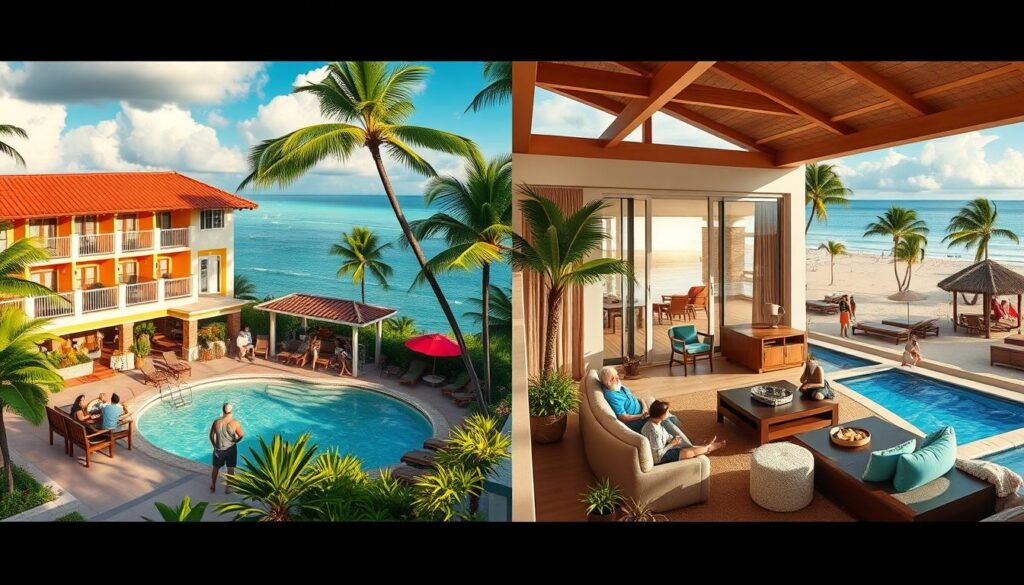
Investment Potential
The value of these options differs a lot. Timeshares tend to lose value, costing around $20,000. Fractional ownership, though, might keep or even increase in value, thanks to better properties in great locations.
| Feature | Timeshare | Fractional Ownership |
|---|---|---|
| Number of Owners | 52 per unit | 6-12 per unit |
| Annual Usage | 1-2 weeks | 5+ weeks |
| Minimum Income Requirement | $75,000 | $150,000 |
| Property Quality | 1-2 bedrooms, standard amenities | 3-5 bedrooms, luxury amenities |
| Value Over Time | Typically depreciates | Potential for appreciation |
When looking at vacation club memberships, consider these differences carefully. Your choice should match your financial goals, vacation style, and investment plans.
Financial Implications
When looking into vacation property financing, it’s important to know the costs of timeshares and fractional ownership. Both have their own expenses that can affect your investment.
Upfront Costs Comparison
Timeshares usually cost less upfront, with an average price of $24,000 in 2022. Fractional ownership, however, often requires a bigger initial investment. For instance, a $500,000 luxury home split into 10 shares means each owner pays $50,000.
Ongoing Fees and Expenses
Both timeshares and fractional ownership have ongoing costs. Timeshare owners pay around $1,120 each year. Fractional ownership might have higher costs, but they are split among fewer people, which could be more cost-effective. These costs include maintenance, utilities, and property taxes.

Resale Value Considerations
Reselling timeshares can be tough due to their decreasing value. Fractional ownership might have a better chance of increasing in value, especially if property prices rise. Yet, finding buyers can still be hard, and prices might need to be lowered a lot.
| Aspect | Timeshare | Fractional Ownership |
|---|---|---|
| Average Upfront Cost | $24,000 | $50,000+ (varies) |
| Annual Fees | $1,120 | Higher but shared among fewer owners |
| Resale Value | Often decreases | Potential for appreciation |
It’s crucial to understand these financial points when deciding between timeshares and fractional ownership. Think about your budget, long-term plans, and what you want from your vacation experience.
Flexibility and Usage
Vacation club memberships and shared property ownership offer many options for travelers. Let’s look at how timeshares and fractional ownership handle booking and usage.
Booking Process in Timeshares
Timeshares come in three main types:
- Fixed week: You get the same week each year
- Floating week: Book within a specific season
- Points-based: Exchange points for stays at various resorts
Timeshares offer predictability but can be less flexible. Fixed weeks give you the same week every year but limit your choices. Floating weeks and points systems give more options but need planning ahead.
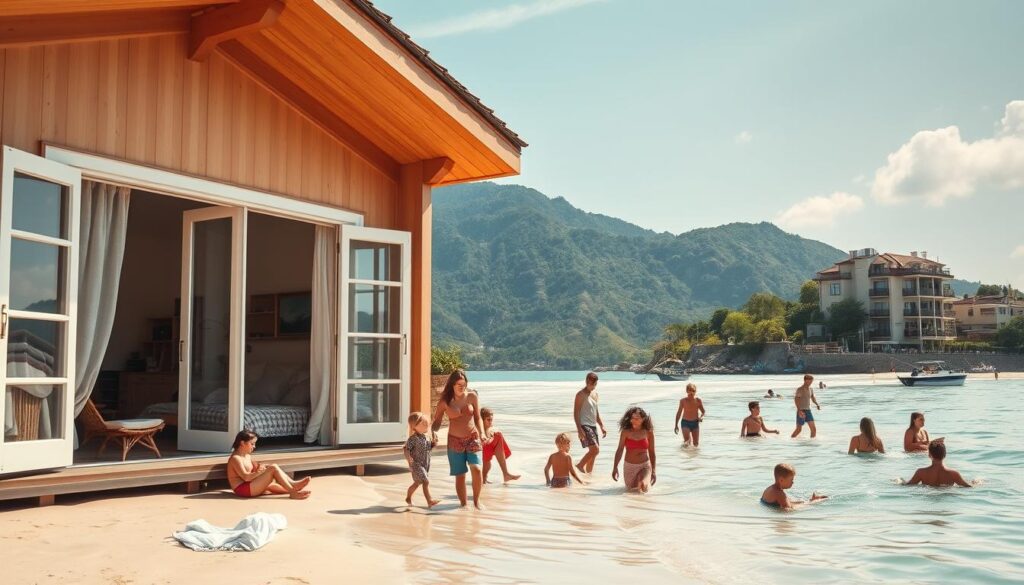
Usage in Fractional Ownership
Fractional ownership offers more flexibility. Owners can often pick different weeks or split their time into multiple stays. This model is great for those who want longer or more frequent vacations. In St. George, UT, fractional shares cost between $102,000 and $345,000, offering 1/8 to 1/13 ownership.
Vacation Options and Alternatives
Both models allow for exchange programs, letting owners trade their time for stays at other properties. Fractional ownership also includes rental options for unused time. This flexibility meets changing vacation needs and lifestyles.
When deciding between timeshares and fractional ownership, think about your vacation habits and desired flexibility. Timeshares are good for those who like annual vacations at the same spot. Fractional ownership is better for those wanting longer stays and more variety in their shared property ownership experience.
Amenities and Property Types
When looking at resort real estate and vacation home investments, knowing about amenities and property types is key. Let’s dive into the differences between timeshares and fractional ownership. This will help you make a smart choice.
Typical Amenities in Timeshare Resorts
Timeshare resorts have great amenities to draw in buyers. They usually have:
- Swimming pools and hot tubs
- Fitness centers
- On-site restaurants and bars
- Spa services
- Children’s play areas
These amenities are nice, but timeshares are shared by up to 52 owners. This can lead to more wear and tear.
Types of Properties in Fractional Ownership
Fractional ownership offers a more exclusive experience. It includes:
- Luxury condominiums
- High-end villas
- Private residences in prime locations
With only 2-12 owners per unit, fractional properties are often bigger. They also have better finishes than timeshares.
Quality and Maintenance Standards
The quality and upkeep of resort real estate differ between timeshares and fractional ownership:
| Aspect | Timeshare | Fractional Ownership |
|---|---|---|
| Maintenance | Often degrades over time | Better maintained due to fewer owners |
| Owner Control | Limited, managed by developers | Higher control through homeowners associations |
| Property Value | Typically depreciates | Potential for appreciation |
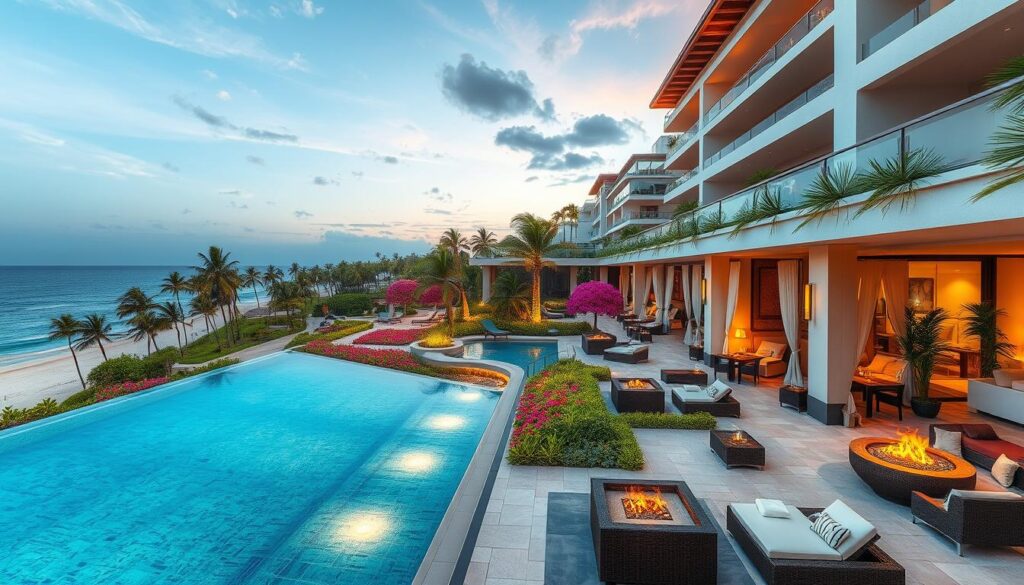
Choosing between a timeshare and fractional ownership depends on your preferences. It’s about the amenities, property types, and long-term value in your vacation home investment.
Target Market: Who Should Choose Which?
Vacation home investments come in different forms, like timeshares and fractional ownership. Each option meets different needs and preferences. It’s important to know which one is right for you.
Ideal Candidates for Timeshares
Timeshares are great for those who want affordable access to top vacation spots. They’re perfect for:
- Middle-class families wanting annual getaways
- Retirees looking for predictable vacation schedules
- Individuals preferring resort amenities without full ownership costs
Timeshare owners get fixed usage rights, usually for specific weeks each year. This is great for those who like to plan vacations ahead of time.
Ideal Candidates for Fractional Ownership
Fractional ownership targets a different market, focusing on luxury properties and shared ownership. It’s ideal for:
- Investors seeking capital appreciation and rental income
- Those desiring high-end properties in prime locations
- Individuals looking for more flexible usage options
Fractional ownership offers potential property value appreciation, unlike timeshares. It’s the fastest-growing segment in the vacation home market, with annual returns of 8-12% in some cases.
| Feature | Timeshare | Fractional Ownership |
|---|---|---|
| Typical Location | Resorts, vacation homes | High-end residential properties |
| Usage | Fixed periods annually | More flexible, often rented out |
| Investment Potential | Limited, often depreciates | Potential for appreciation |
| Target Market | Middle-class families, retirees | Investors, luxury seekers |
Choose based on your vacation goals, budget, and investment expectations. Timeshares offer predictable vacations, while fractional ownership provides luxury and potential returns.
Legal Considerations
When looking into vacation property financing, it’s important to know about timeshares and fractional ownership. These two options have different ways of owning and contracts.
Contracts and Agreements
Timeshare contracts can last a long time, making it hard to sell. Fractional ownership, on the other hand, lets you sell your share anytime. This choice affects your financial plans for years to come.
Rights and Responsibilities
Fractional ownership is like owning real property, giving you a real stake. Timeshares, though, only give you the right to use the property for a set time each year.
Important Laws to Know
Laws in places like Palm Springs, Sonoma, and St. Helena have stopped traditional timeshares. It’s key to check local laws before buying. In Europe, people prefer fractional ownership for its flexibility and quality second homes.
| Aspect | Timeshare | Fractional Ownership |
|---|---|---|
| Ownership Type | Right-to-use | Deeded interest |
| Resale Flexibility | Limited by lock-in periods | Can sell at any time |
| Legal Classification | Vacation product | Real property |
Knowing the legal details is crucial when deciding between timeshares and fractional ownership. Always talk to a lawyer to make sure your choice fits your vacation plans and budget.
Making the Right Choice
Choosing between a timeshare and fractional ownership for your vacation home needs careful thought. Both have their own benefits. But, knowing what you really need is crucial for the best choice.
Evaluating Your Personal Needs
When you’re deciding between timeshare and fractional ownership, think about your vacation frequency. Timeshares have 26-52 owners per unit, offering short stays of about one week a year. On the other hand, fractional ownership has 2-12 owners, allowing for longer and more frequent visits – often 5 weeks or more annually.
Tips for Choosing Between Timeshare and Fractional Ownership
Look at your budget and investment goals. In 2022, the average cost of a timeshare interval was $24,140, with annual fees around $1,000. Fractional ownership costs more upfront but could build equity. Timeshares rarely gain value, but fractional properties might appreciate over time.


